Existing condition
Wear around pulls, finish changes, greasy buildup, chips, previous coatings, and the condition of doors and drawer fronts all influence the preparation that makes sense.

Chicago, Illinois
Give a kitchen a more current finish without losing sight of the preparation, protection, and small details that make cabinets feel complete.
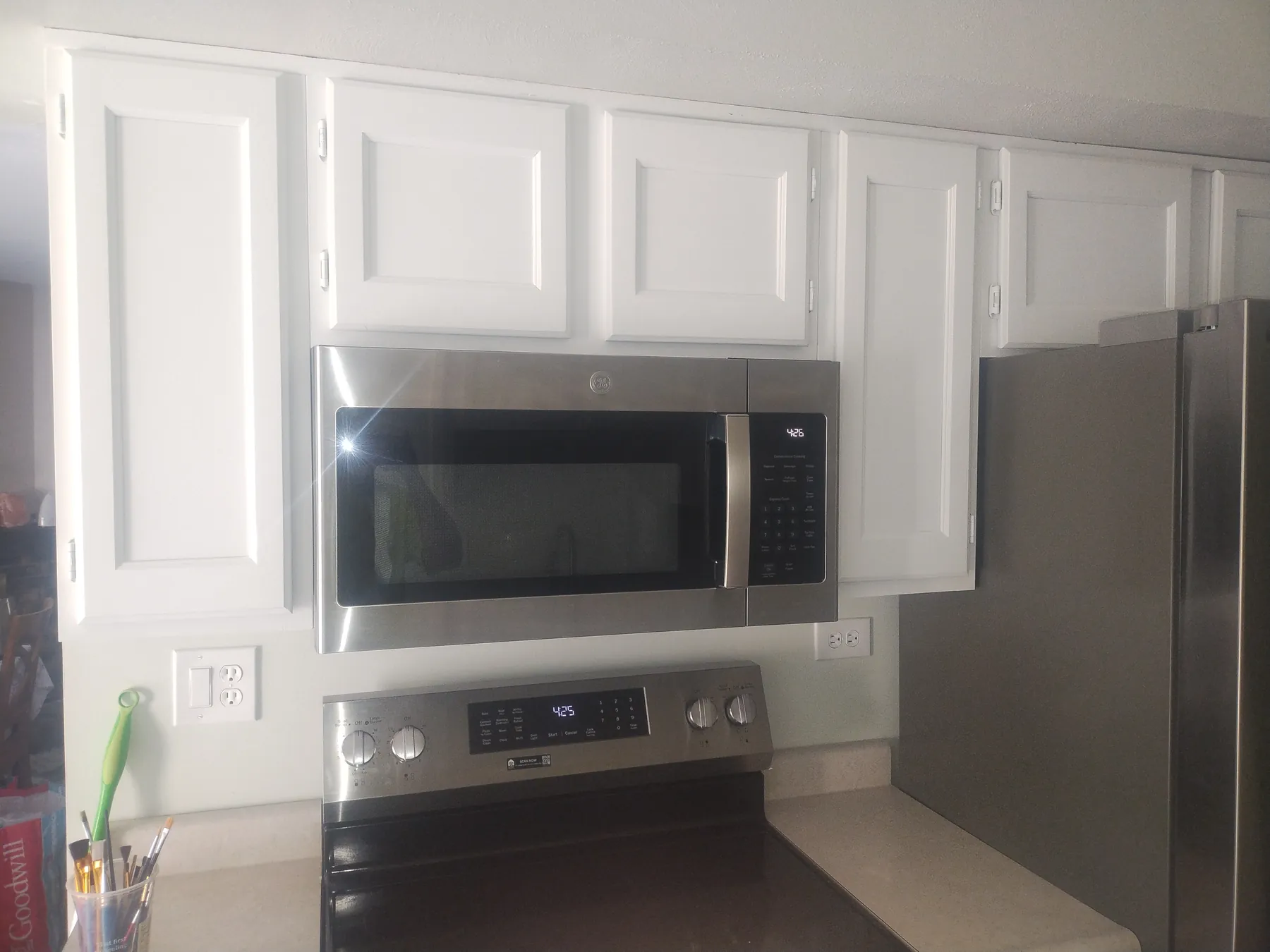
A better kitchen without starting over
Cabinets take up most of the visual space in a kitchen. When the color feels dated, the finish has worn unevenly, or the room no longer fits the rest of the home, they can make an otherwise functional kitchen feel tired. Refinishing gives homeowners a way to change that visual baseline while keeping the cabinet layout they already use every day.
Good cabinet work is not a shortcut around the details. Doors, drawer fronts, boxes, edges, hardware, nearby counters, appliances, flooring, and wall finishes all shape the plan. The first conversation should cover what the cabinets are made of, how they are wearing, which surfaces need attention, and what needs to stay protected while the kitchen is being refreshed.
For Chicago homeowners, cabinet refinishing can be a focused kitchen update or part of a broader interior project. The goal is a finish that feels deliberate in the room, not simply a new color laid over the old one. Preparation, color direction, sheen, and cleanup all matter to how the kitchen reads once everything is back in place.
Whether the cabinets are dark wood, painted, worn around the handles, or simply out of step with the rest of the house, an estimate is the useful place to start. Photos and a clear description of the kitchen give Always Pro Painters a better picture of the condition, the areas involved, and the kind of result you want to live with.

Preparation protects the finish
Cabinet surfaces are seen close up, often in direct light. Doors and drawer fronts sit beside handles, appliances, counters, tile, and trim, so uneven areas and rough edges can stand out quickly. Proper preparation begins with the existing surfaces, then accounts for the areas around them that need to remain clean and protected.
Masking and protection help keep the work focused on the cabinets instead of creating avoidable cleanup around the kitchen. The project scope can also address wear, damage, old hardware positions, and the surfaces that may need extra attention before a new finish is applied.
That same attention matters when cabinets meet freshly painted walls or repaired drywall. If the room needs related finish work, interior painting and drywall finishing can be part of the broader conversation so the finished kitchen feels connected.
What shapes the scope
Wear around pulls, finish changes, greasy buildup, chips, previous coatings, and the condition of doors and drawer fronts all influence the preparation that makes sense.
The cabinet color should work with the counters, backsplash, flooring, light, and hardware, especially because a small sample can look very different across a full kitchen.
Countertops, appliances, floors, surrounding walls, and the working area need to be considered from the beginning, not only once the surface work starts.
Wall color, repaired drywall, trim, or an accent area can change how new cabinets feel in the kitchen. Planning those details together keeps the finished room from looking pieced together.
How the project begins
Discuss the cabinet layout, existing finish, condition, surrounding surfaces, and the updates you are considering.
Use the kitchen light and fixed materials to narrow the color and sheen so the updated cabinets feel intentional in the room.
Account for protection, masking, surface preparation, and the details that need to be handled carefully around the cabinets.
Review the agreed cabinet surfaces and related finish work once the project is complete.

A finish that belongs in the room
Cabinet color carries a lot of weight. It affects how the counters read, whether the backsplash feels quiet or busy, how much light the room holds, and how the hardware stands out. The best choice is rarely just the shade that looks good on a swatch. It is the one that works across the full cabinet run and with the materials you are keeping.
When that decision needs more support, color consultation can help bring the options into focus before the project moves ahead. The conversation can look at the room as a whole, including walls, trim, floors, counters, and the details that will still be in place after the cabinet finish changes.
The same approach is useful when the kitchen is part of a larger interior refresh. Cabinet refinishing can lead naturally into wall color, trim, ceiling, or drywall decisions. Taking those relationships into account before the work begins helps the completed room feel coherent instead of like a series of separate updates.
Hardware is another part of that picture. Existing pulls and knobs can make a new cabinet color feel more traditional, more graphic, or more understated depending on their shape and finish. If hardware is being changed, that detail belongs in the early conversation so the cabinet surfaces, old mounting points, and finished look are considered together.
What to share for an estimate
You do not need to know every product or finish before reaching out. A few well-chosen photos and a simple description of what feels dated or worn are enough to begin a useful conversation. Include the cabinets, counters, backsplash, appliances, and nearby walls so the whole kitchen is easy to understand.
Those details create a better starting point for a cabinet refinishing estimate. They also make it easier to decide whether the scope should include a color consultation, adjacent interior painting, or other finish work that supports the way you want the kitchen to feel.
For a closer look at the type of preparation and finish work involved, see the Schaumburg cabinet and furniture restoration project. It shows the real conditions behind a finished cabinet update, not only the final color.
It is also useful to mention how the kitchen is used. A busy family kitchen, a rental refresh, a home being prepared for sale, and a long-planned remodel can have different priorities around timing, color, surrounding work, and the level of change you want from the finished space. That context helps the estimate conversation stay grounded in the project you actually have.
Even a focused cabinet project benefits from a clear finish goal. Whether you want the room brighter, calmer, more current, or simply better aligned with the rest of the home, that intended result gives the color and preparation decisions a practical direction.
Frequently asked questions
Cabinet refinishing starts with the condition of the existing doors, drawers, boxes, and surrounding kitchen. The project conversation can include cleaning, preparation, sanding, masking, finish direction, and the details that need to be protected while the cabinets are updated.
Yes. When the color is still undecided, Always Pro Painters can help narrow the direction based on the kitchen light, counters, backsplash, flooring, hardware, and the look you want the room to have when the work is complete.
Refinishing can be a practical option when the cabinet layout and structure still work but the current color or finish no longer suits the kitchen. An estimate conversation is the right place to discuss the condition of the cabinets and the result you are trying to achieve.
Share photos of the kitchen, the number of cabinet areas involved, the existing finish, any damage or wear you have noticed, and whether you have a color direction in mind. Photos of the counters, backsplash, and surrounding room are helpful when color selection is part of the conversation.
Interior painting, drywall finishing, and color consultation can be discussed alongside a cabinet project when the kitchen needs a more complete refresh. Combining related finish work can make the completed room feel more cohesive.
Chicago cabinet refinishing