Walls and accent areas
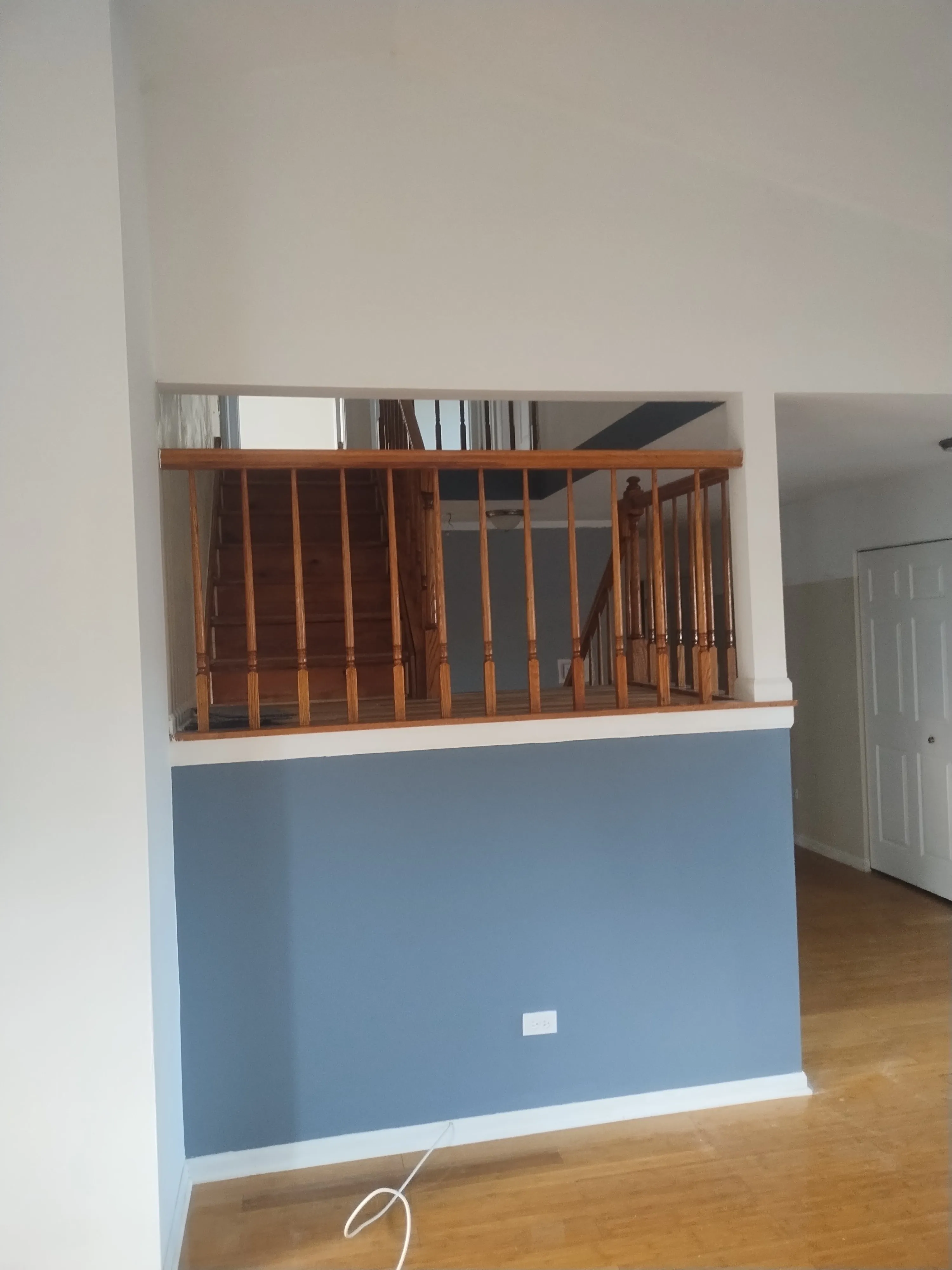
Whole-room changes, feature walls, and connected living spaces can be planned around the colors, light, and mood you want the home to have.

Arlington Heights, Illinois
Refresh the rooms you live in with careful preparation, protected surfaces, and a finish that feels considered from the walls to the trim.
A better feeling room
A fresh wall color can do a surprising amount for a room, but the color is only one part of what makes the work feel complete. Ceiling lines, trim, doors, patches, worn corners, furniture, flooring, and the light that moves through the space all affect the result. For an Arlington Heights interior painting project, the first useful step is looking at the room as it is, then deciding what needs attention before the new finish goes on.
Some homeowners are ready for a full interior refresh. Others are focused on a living room, bedroom, entry, stairway, or a single color change that will make the house feel more current. Both deserve a clear scope. Discussing the surfaces, existing condition, colors, and practical details early helps prevent the project from becoming a series of decisions made after the work has already started.
Always Pro Painters works with Arlington Heights homeowners who want a clean, considered result. Whether the goal is to brighten a darker room, soften a strong existing color, sharpen worn trim, or give a home a more cohesive look, careful protection and preparation shape how the finished paint reads every day.
An estimate is a good place to begin. Share the rooms you want to update, the surfaces that need attention, and any repairs you have noticed. Photos and a simple description of the result you want are enough to start a focused conversation.

Preparation comes first
Interior surfaces are viewed up close. A patched area, uneven edge, missed spot around a door, or a rough transition between wall and trim can stand out more after a new color goes on. That is why the project scope starts with the condition of the rooms, not just the color on the sample card.
Preparation can include reviewing patches, nail holes, scuffs, previous paint issues, trim wear, and the areas that need careful masking. Floors, furniture, fixtures, counters, and nearby surfaces also need to be considered before the work begins. Keeping the work area protected is part of making the project feel orderly while it is underway.
If the walls need more attention before painting, drywall finishing can be included in the conversation. Taking care of surface repairs first gives the new finish a cleaner foundation and can make an updated room feel genuinely refreshed instead of simply recolored.
What can be included
Whole-room changes, feature walls, and connected living spaces can be planned around the colors, light, and mood you want the home to have.
Ceilings, baseboards, window trim, moldings, and doors often shape whether a room feels polished once the wall color has changed.
Patches, worn areas, dents, and texture concerns belong in the early scope so the finished paint is not asked to hide problems underneath it.
When the direction is still open, the conversation can include color and sheen choices that work with the room's existing materials and daylight.
How a project takes shape
Discuss the walls, ceilings, trim, doors, repairs, and the parts of the home that need to stay protected.
Use the room's light, furnishings, flooring, and existing finishes to narrow the color and sheen choices.
Account for patching, masking, protection, and the details that help the final paint look clean and even.
Review the agreed spaces and finish work once the project is complete.

Color that works in the room
Color changes as the day moves, especially in rooms with different exposure, connected spaces, or strong architectural details. A shade that looks calm in one part of a home can feel much cooler, warmer, or darker in another. Trim, flooring, cabinets, upholstery, and natural light all influence how a new paint color comes across once it covers the full wall.
That is why it helps to make color and sheen part of the early discussion. Color consultation can help bring the options into focus before the work moves ahead. The goal is not to make the choice harder. It is to settle on a direction that suits the surfaces, the lighting, and the feeling you want from the room.
For related project inspiration, view our Hoffman Estates living room refresh. It shows how crisp white walls and a deep blue accent color can give an entry and living space a clearer sense of definition.
What to share for an estimate
You do not need to have every color, room measurement, or paint product chosen before you reach out. The helpful starting point is knowing which rooms you want to improve and what is not working in them now. A photo, a rough description of the walls or trim, and a sense of your timing are enough to begin.
Those details help create an estimate conversation that reflects the actual rooms, rather than a generic painting package. If your plans also include kitchen cabinets, a hallway, connected rooms, or another interior update, mention that early. Related work can be discussed together so the finished home feels connected.
For a broader view of the work we handle, explore interior painting services or contact us to talk through the rooms and details that matter for your Arlington Heights project.
Frequently asked questions
Interior painting can include walls, ceilings, trim, doors, accent areas, and the preparation needed to make those surfaces ready for a clean finish. The useful scope depends on the rooms, surface condition, and the result you want from the update.
Yes. Patches, nail holes, worn areas, and other drywall concerns can be discussed before painting begins. Addressing the surface first helps a new color read as a finished update rather than a cover-up.
Start by identifying the rooms, surfaces, and furniture that need attention. Share photos, note any repairs or access considerations, and mention the colors you are considering. The estimate conversation can then focus on a practical plan for protection, preparation, and the finish work itself.
Yes. Color and sheen can be considered alongside the room's light, flooring, trim, furniture, and the way the space is used. That makes it easier to choose a finish that works beyond a small paint sample.
Yes. Walls, ceilings, trim, doors, and accent areas can be part of the same interior project. Discussing them together helps make sure the finished room feels intentional from edge to edge.
Arlington Heights interior painting