
Bathrooms are hard on paint. They collect steam, temperature swings, splashes around the sink, and the occasional hurried wipe-down after a bath. The best bathroom paint sheen is not about chasing the shiniest finish. It is about choosing a surface that fits the room’s moisture, the condition of the walls, and how you want the space to feel every day.
For most bathrooms, satin is a strong starting point. It has a soft reflectivity that makes a room feel finished without turning every wall into a mirror. It also offers a practical level of cleanability for the fingerprints, toothpaste flecks, and water marks that show up in a lived-in bathroom. The answer can change, though, when the room has poor ventilation, heavily textured walls, older repairs, or cabinetry and trim that need their own finish plan.
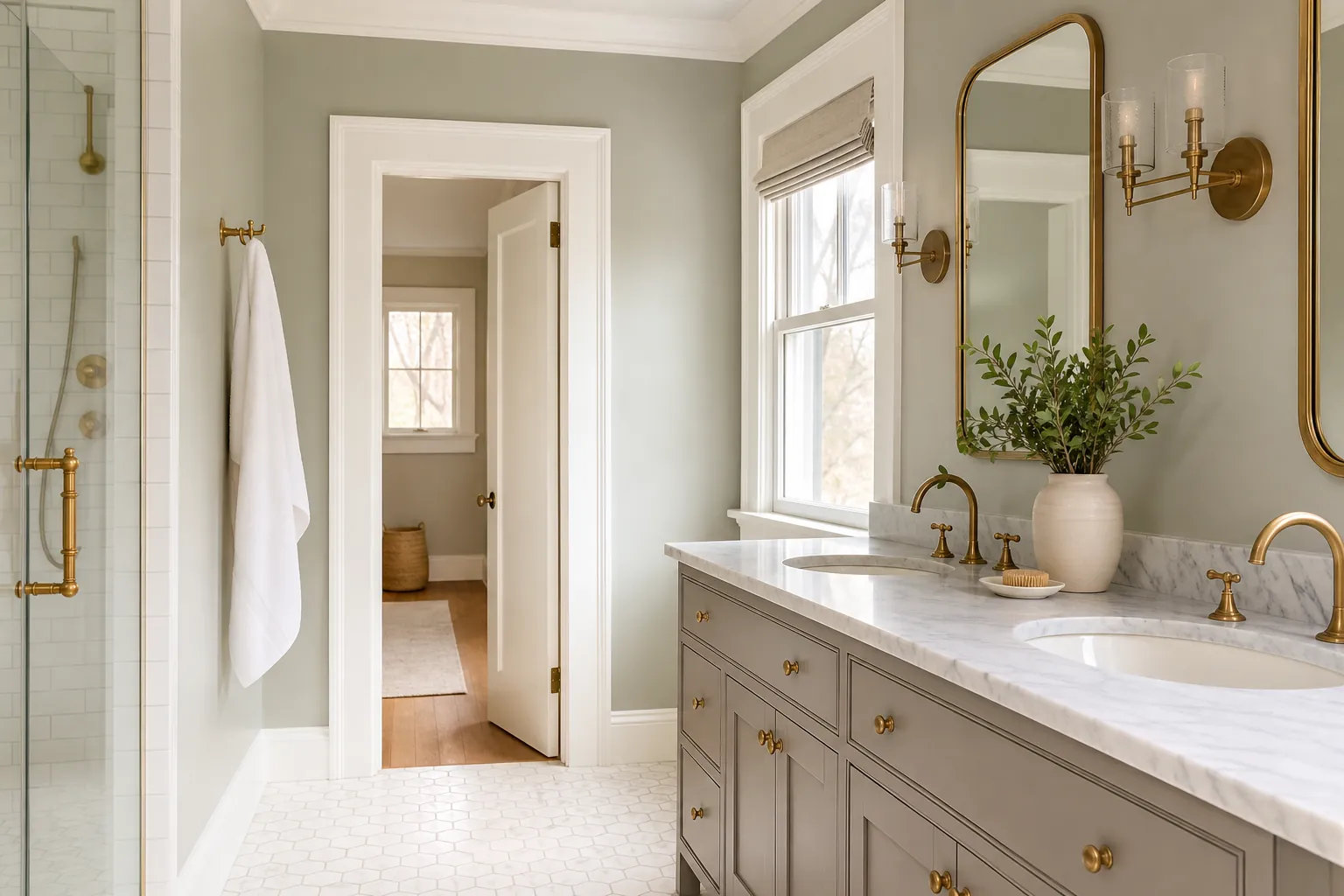
Start With Satin for Most Bathroom Walls
Satin usually earns the first look because it balances appearance and durability. It has more sheen than eggshell, but less shine than semi-gloss. In a bathroom with average ventilation, that middle ground is often enough to make routine cleaning easier while keeping the walls visually relaxed.
There is no universal finish for every home. Paint manufacturers describe sheen as a spectrum: flatter finishes hide surface variation better, while glossier finishes reflect more light and tend to be more washable. Both Sherwin-Williams’ paint sheen guide and Benjamin Moore’s finish guidance make the same practical point: match the finish to the room’s use, not just the color on the swatch.
For a primary bathroom used morning and night, satin is often the best compromise. It gives the wall enough resilience for normal cleanup, yet it does not exaggerate every seam, patch, or roller edge. When planning an interior painting project, think about the wall surface as much as the color. A beautiful finish will not hide a repair that still needs to be properly smoothed.
When Semi-Gloss Makes Sense
Semi-gloss is tougher, brighter, and more reflective. That can make it useful in a bathroom that sees frequent moisture and cleaning, especially on trim, doors, window casings, and cabinet faces. It has long been a familiar choice in active bathrooms because it stands up well to hands, splashes, and regular maintenance.
The tradeoff is visibility. A glossier wall reflects light more aggressively, so it can reveal imperfect drywall, old patches, nail pops, and uneven application. If the room gets strong side light from a window or vanity lighting that grazes the wall, semi-gloss can make those details easier to see. In that situation, a careful drywall repair and finishing plan should happen before a sheen decision is locked in.
Use semi-gloss on walls when durability is the clear priority and the surface is in good condition. For many homeowners, it is a better trim-and-cabinet finish than an all-over wall finish. A well-planned combination can feel intentional: satin walls, semi-gloss trim, and a cabinet coating chosen specifically for the cabinetry.
Why Eggshell and Matte Need More Thought
Eggshell is softer than satin and has a low, quiet glow. In a lightly used powder room, it can look excellent, particularly when you want a more relaxed, less reflective look. In a full bathroom with shower steam, however, it is usually less forgiving than satin. The more often a wall needs to be wiped, the more important it becomes to choose both a resilient product and a sheen that is comfortable with regular care.
Matte can also work, but the product matters more than the name on the sheen label. Some newer premium matte paints are designed for better washability than traditional flat paint. That makes them a possibility for a well-ventilated powder room or a homeowner who strongly prefers a low-reflection finish. It is not permission to ignore moisture. A bathroom with a weak exhaust fan, a leaking shower surround, or repeated condensation needs the underlying issue addressed first.
The safest approach is to separate style from performance. Decide how calm or reflective you want the walls to look, then make sure the paint line is intended for a bathroom or high-humidity area. A good color consultation can also help here, because darker colors, strong daylight, and glossy trim each change how much sheen you notice in a small room.
Test the Sheen Before You Commit
A paint chip tells you the color, not the whole story. Sheen changes with the time of day, the direction of the light, and the angle from which you enter the room. A soft green can look calm in the morning and noticeably more reflective under a bright vanity fixture at night. The smaller the bathroom, the more obvious that shift can be.
Before painting the full room, try a sample on more than one wall. Place it near the vanity, near the shower or tub, and on a wall that catches window light. Look at it after a shower, during daylight, and with the lights you use most often. This does not have to turn into a drawn-out design project. It simply gives you a chance to see whether the finish feels polished, too glossy, or too flat for the room before the main work starts.
Compare the sample against the trim and cabinet color at the same time. A wall finish that looks right on its own can feel different beside a bright white door or an existing vanity. If the room already has visible drywall texture, old patching, or an uneven wall, this is also the point where a lower-reflection sheen may save you from highlighting details you would rather not notice.
Keep the test simple and use the same paint line you would actually purchase. A sample made with a different product can give you the right color but the wrong surface character. Label each sample with the sheen, let it dry fully, and view it from a few steps back as well as up close. That small bit of preparation makes it much easier to choose confidently before the room is protected and the larger painting work begins.
Give Trim, Doors, and Cabinets Their Own Finish Plan
Bathroom walls do not have to match the sheen of every other surface. Trim and doors take more direct contact than walls, so a semi-gloss or another durable trim finish is common. That contrast can also make the architecture look crisper. The key is preparation: clean edges, filled gaps, smooth repairs, and a coating system suited to the material.
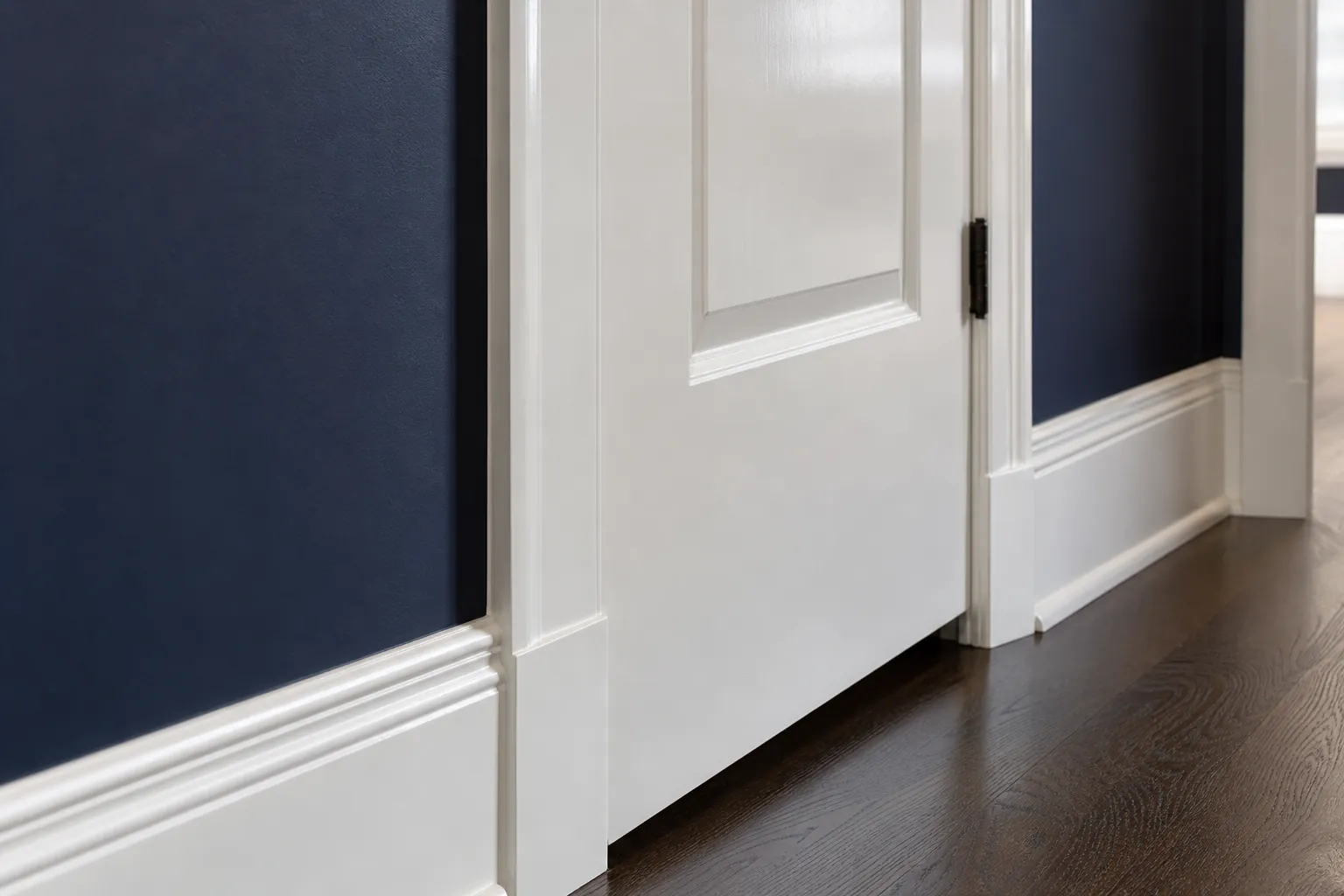
Cabinets deserve even more care. Their finish has to handle hands, cleaning, humidity, and door movement. A wall paint is not automatically the right product for cabinets just because the color looks good. When the vanity needs an update, a proper cabinet refinishing service can help you choose the right preparation and coating approach instead of treating the project like a simple wall repaint.
Ceilings usually get a flatter appearance than bathroom walls. That helps a ceiling recede visually and keeps it from highlighting texture or joint lines under overhead light. The ceiling paint still needs to be appropriate for the room’s humidity, especially above a shower. Good ventilation matters as much as the paint choice.
Do Not Ask Paint to Solve a Ventilation Problem
Paint can help a bathroom handle normal use, but it cannot solve persistent moisture. If mirrors stay fogged long after a shower, the ceiling regularly shows condensation, or caulk and paint are failing in the same area, look at ventilation and water intrusion before repainting. The best finish will perform poorly when it is applied over a damp surface or exposed to repeated moisture that has nowhere to go.
Before choosing a sheen, take a short walk through the room and note:
- Whether the bathroom has an exhaust fan that actually clears moisture.
- Where water lands most often, including the vanity wall and the area near the shower.
- Any peeling paint, soft drywall, stains, or open caulk that need repair first.
- How much natural and vanity light will hit the walls at an angle.
- Which surfaces need a different coating, such as cabinets, trim, or a ceiling.
That inspection keeps a finish choice from becoming a cosmetic shortcut. It also makes an estimate more useful because the scope can account for surface preparation instead of treating it as an afterthought.
Use the Same Decision Process in Other Rooms
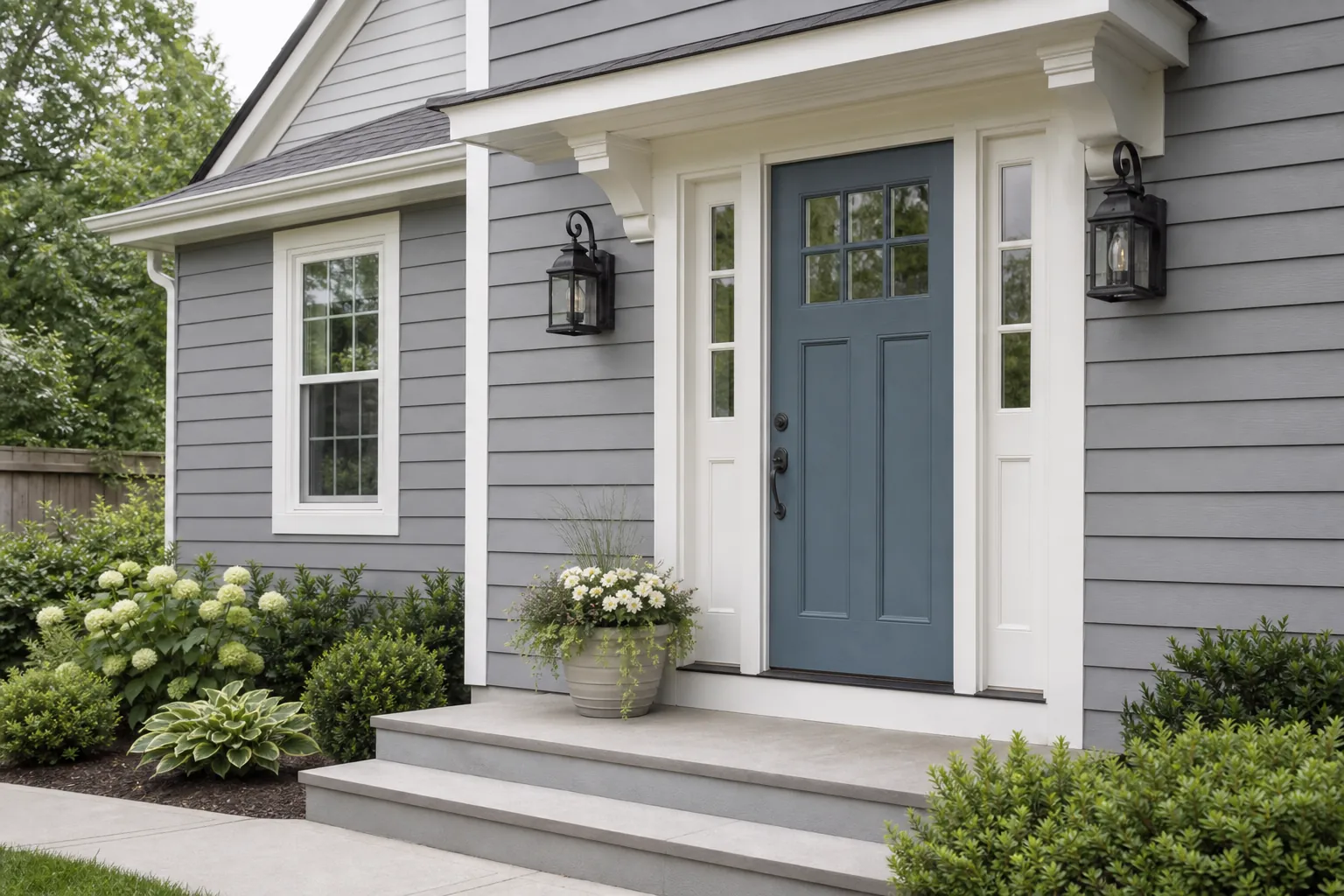
The bathroom is only one part of a larger finish plan. Kitchens often need a similarly washable wall finish. Bedrooms and living rooms can usually tolerate a softer look. Trim can take a more durable sheen. Exterior surfaces face a separate set of weather and material concerns, so they should be planned as part of an exterior painting project, not as an extension of an interior paint decision.
If you are repainting multiple rooms, choose finishes room by room instead of forcing one sheen everywhere. That produces a calmer result and puts durability where it is actually needed. It is also an easy way to avoid spending extra on gloss where it adds little value.
How Always Pro Painters Helps
A bathroom repaint looks simple until the finish starts reflecting the details. Always Pro Painters helps homeowners work through the parts that determine whether the result feels clean when the lights are on: surface condition, drywall repair, protection, paint sheen, trim contrast, and the edges around fixtures and cabinets. The goal is a finish plan that suits how the room is used, not a one-size-fits-all recommendation.
For a bathroom refresh, a larger interior update, or a cabinet project, request an estimate with the rooms you want to change and any repairs you have noticed. For homeowners across Chicago and the surrounding suburbs, the service area guide shows where Always Pro Painters works.
Frequently Asked Questions
For many bathrooms, satin is the practical middle ground. It has a gentle sheen, handles routine cleaning well, and does not call attention to every small wall imperfection the way a glossier finish can.
You can, but choose a premium bathroom-rated matte formula and be realistic about the room. A well-ventilated powder room is a better candidate than a busy shower bathroom that regularly sees steam, splashes, and frequent wipe-downs.
Semi-gloss is durable and easy to clean, but it reflects more light and can make uneven drywall, patches, or roller marks more noticeable. It often works best on trim, doors, and cabinets rather than every wall.
Not necessarily. Ceilings are usually given a flatter finish so the room feels calmer and surface variations stay less noticeable. The right ceiling product still needs to suit the humidity level and ventilation in the room.


