
Choosing exterior paint sheen is less about finding one universal finish and more about matching the finish to the part of the house in front of you. Siding, trim, doors, porch railings, masonry, and repaired wood all react to light differently. The same sheen that looks calm and even on broad siding can leave trim looking flat. The sheen that makes a front door look crisp can make rough clapboard look busier than it needs to.
For many homes, flat exterior paint is the practical choice for large siding areas, while satin gives trim and doors a little more definition. That is a starting point, not a rule. The condition of the surface, the direction of sunlight, how much texture the material has, and the kind of cleanup the area gets all matter. A good exterior finish plan is built around those details before the first gallon is opened.
Flat vs. Satin Exterior Paint at a Glance
Flat exterior paint has very little reflectivity. On broad siding, it can make the color look deep and even because it does not catch light the way a glossier coating does. That lower sheen is especially helpful when older siding has grain variation, small patches, or minor waviness. It keeps the eye on the color and overall shape of the house instead of every small change in the surface.
Satin has a soft, noticeable sheen. It reflects more light, looks a little richer on smooth trim, and is often easier to wipe clean in the places people touch. It can be a smart choice for fascia, shutters, columns, porch railings, doors, and trim. The same reflectivity that makes those details stand out can also reveal rough scraping, raised nail heads, old caulk lines, or uneven repairs. Sherwin-Williams’ sheen guide makes the same useful distinction: lower-sheen finishes are more forgiving on surface variation, while higher-sheen finishes show more detail.
If you are deciding quickly, use this simple filter:
- Choose flat when broad siding needs a calm, uniform look and the surface is not perfectly smooth.
- Choose satin when trim, doors, or porch details need more visual definition and the surface has been prepared carefully.
- Consider a mixed plan when the home has both large textured surfaces and smaller architectural details that deserve contrast.
The paint name alone does not settle the question. Finish labels vary slightly by manufacturer, so always look at a real sample in daylight and read the product’s exterior-use guidance before settling on a sheen.
Why Flat Often Works Best on Large Siding Areas
Flat is often the easier choice for exterior siding because it lets a large wall read as one broad, even color field. On lap siding, older wood, fiber cement, stucco, or textured masonry, that can make a real visual difference. Sun moves across the exterior all day, and a lower-sheen coating is less likely to call out small changes in plane as the light shifts.
That does not mean flat is automatically the cheapest or lowest-performing choice. Exterior paints are formulated for exposure, but the right product still depends on the material. A coating appropriate for wood siding may not be the right system for brick, aluminum, trim metal, or a previously coated deck. The finish decision comes after identifying what is being painted and what condition it is in.
Flat is also a sensible option when a house has visible age that you do not want to spotlight. Raised grain, older boards, subtle rippling, small repairs, and weathered areas can all look more forgiving under a low-reflection sheen. Before planning an exterior painting project, look at the home from the street and from several feet away. If the surface already feels visually active, adding more reflectivity rarely makes it calmer.
The tradeoff is that flat does not give trim and doors the same crisp contrast. When every exterior surface is flat, a home can still look good, but its architectural details may blend together. That is why many exterior plans use flat for siding and reserve satin for the parts that frame it.
When Satin Is Worth It Outside
Satin belongs where a small increase in sheen supports the way a surface is seen and used. A painted front door, porch column, railing, window casing, fascia board, or shutter can look more intentional with a soft sheen. It helps trim separate from the main body color without pushing the finish into the sharp reflections of a high gloss.
Satin can also be practical in high-touch areas. Front doors, handrails, porch posts, and lower trim tend to collect fingerprints, dust, and weather marks. A finish that wipes more easily is useful, but it is not a reason to skip the preparation that makes the surface look clean. On a door or railing, poor sanding and rushed brushwork will be visible no matter how durable the paint is.
Use satin selectively when the surface is smooth enough to carry it. A good rule is to stand at the angle where light hits the wall or trim most strongly. If you can already see peeling edges, open joints, failed caulk, deep grain, or uneven old paint from that angle, take care of those conditions before committing to a more reflective finish. Repair first, then choose the sheen that serves the repaired surface.

Let Surface Condition Decide More Than Trend
Exterior sheens are often treated as a style decision, but surface condition should get equal weight. A smooth, well-prepared door can carry satin beautifully. Rough siding that needs scraping, spot priming, patching, or caulking may look better under flat, even if a satin swatch looked appealing in the store.
Preparation is what makes the difference visible. Before exterior paint goes on, the work may include washing, scraping loose coating, sanding rough transitions, treating bare spots with the right primer, repairing damaged material, and sealing gaps where appropriate. Those steps support adhesion, but they also determine how evenly the finish catches light. Benjamin Moore’s exterior guidance likewise puts the home’s materials, color plan, and preparation ahead of the finish coat.
Do not use satin in the hope that it will make old siding look newer. It can make a well-prepared exterior look more defined, but it cannot hide failed material or uneven repairs. The same goes for flat paint. It may soften visual variation, but it cannot solve moisture, rot, loose boards, or a coating that is no longer holding properly.
When an exterior has a mix of materials, break the decision down by surface. Siding may need one plan, white trim another, and an exposed wood feature or front door a third. That approach gives each part of the home a finish that makes sense instead of forcing one sheen to do every job.
Sunlight Changes How Exterior Sheen Looks
Exterior paint is viewed in conditions that a small swatch cannot fully predict. Direct afternoon sun can make satin look brighter than expected. Shade can make a color appear deeper and flatter. Side light from the east or west can rake across siding and exaggerate ridges, repairs, or overlap lines. A sheen that feels subtle on a covered porch may look much more visible on a sun-facing wall.
Test samples on the actual exterior, not just on a board held in the driveway. Place a few samples where the house gets morning light, afternoon light, and shade. Look at them after they dry, at different distances, and beside the trim color you plan to keep or change. This is especially important with dark colors because they can show surface movement and touch-ups more clearly than lighter colors.
Check the sample on the surface that matters most. Testing satin on smooth trim does not answer how it will look across old siding. Testing flat on a porch post does not show how it will read on a large gable. Seeing each sheen where it will actually live keeps the decision grounded in the house rather than a paint-store display.
Look beyond the painted surfaces while you test. Brick, stone, gutters, roof shingles, window frames, and landscaping all change the way sheen reads from the curb. A satin trim color beside matte brick can look precise and clean, while the same trim beside shiny vinyl gutters may feel more reflective than expected. Viewing samples alongside the materials that are staying in place helps keep the completed exterior cohesive.
A Practical Sheen Plan for Siding, Trim, and Doors
A simple two-sheen approach works well for many homes:
- Siding: Flat or low luster for a broad, even appearance and less emphasis on texture.
- Trim and fascia: Satin when the boards are well prepared and you want a cleaner, more defined edge.
- Doors and shutters: Satin when you want a durable, polished focal point without a mirror-like finish.
- Porch railings and columns: Satin can be practical for areas people touch, provided the wood and previous coating are in good condition.
This is not a hard rule. A very smooth modern exterior might use satin more widely. A historic home with heavily textured siding might look better with low luster across almost every painted surface. The key is consistency. The home should look deliberately coordinated, not like each section was painted from a different leftover can.
Color matters here too. A deep navy, charcoal, or black can appear more reflective in satin than a soft white or muted gray. If you are changing both color and sheen, a color consultation can help you assess the combination in the actual light around the home, including the relationship between siding, roof, brick, stone, and landscaping.

Do Not Skip the Product and Weather Check
Sheen is only one decision in an exterior paint project. Use a coating made for the material and for exterior exposure, then follow its temperature, moisture, and recoat guidance. Painting over damp wood, rushing a coat before weather changes, or using an interior product outdoors creates problems that no sheen can prevent.
Review the existing coating as well. If the old surface is glossy, peeling, chalky, or unknown, it may need specific cleaning, sanding, priming, or testing before a new finish goes on. Sherwin-Williams’ project guidance is a useful reminder that siding, trim, masonry, and other surfaces need products matched to their conditions rather than one generic paint choice.
For homes around Chicago and the surrounding suburbs, timing matters too. Spring and fall can be excellent painting windows, but temperature swings, rain, dew, and humidity still affect the schedule. A good plan accounts for the forecast, the substrate, and how long each coat needs before the next step.
How Always Pro Painters Helps
Always Pro Painters starts exterior projects with the actual surfaces, not a default sheen recommendation. That means looking at siding condition, trim details, old paint, repairs, areas of direct sun, and the finish you want to see from the street. The work behind a clean result includes preparation, protection, material-specific planning, and a clear decision about where a little sheen helps and where it does not.
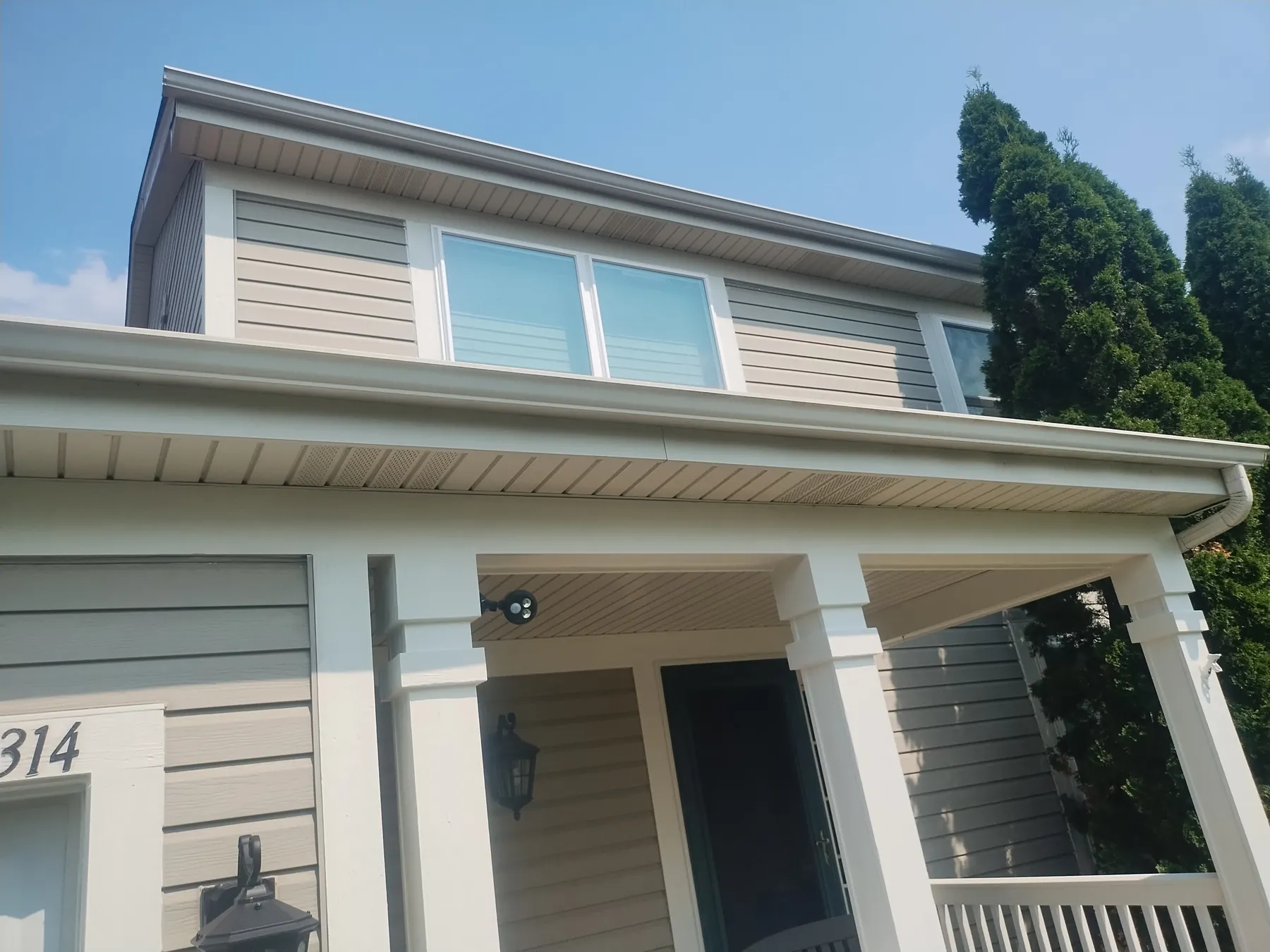
See the details in the McHenry exterior repaint, where siding, porch elements, railings, and entry details all needed a coordinated finish plan. For a home in McHenry, the McHenry exterior painting page explains the local service. For projects across Chicago and the nearby suburbs, request an estimate with the exterior surfaces, any repairs you have noticed, and the color direction you are considering.
Frequently Asked Questions
Yes, when it is an exterior-grade coating applied to a properly prepared surface. Flat is often a good fit for broad siding because its low reflectivity helps larger wall areas look even. The product choice, preparation, and the material being painted still matter just as much as sheen.
Satin is often the more practical choice for trim, doors, railings, and other details that benefit from clearer definition and easier cleaning. Flat can work on some trim, but it creates less contrast and may be less forgiving when those details get touched or exposed to grime.
It can. Satin reflects more light than flat, so rough wood grain, old repairs, lap marks, and uneven surfaces can become more noticeable. Good scraping, sanding, caulking, priming, and repair work make a bigger difference when the chosen finish has more sheen.
You can, but it is not always the best-looking plan. Many homes benefit from a lower-sheen finish on siding and a satin finish on trim, doors, porch details, or railings. Using sheen deliberately gives those parts of the home their own role without making the exterior look busy.